
Key Takeaways
- Start with the care instructions supplied with your exact pen; materials and cleaning limits can differ by model.
- Use a clean, dry, lint-free cloth as the conservative default for the pen body when no approved cleaner is specified.
- Never soak the pen or let liquid enter the dial, plunger channel, threads, cartridge holder, or other openings.
- Inspect the body, cap, dial, threads, window, seals, and holder whenever you assemble, clean, or store the accessory.
- Do not force a stiff dial or a cartridge that does not seat normally. Stop and check compatibility, alignment, and condition.
- Keep sterile pen-needle accessories single-use and place used sharps directly into an appropriate disposal container.
- This is non-medical accessory-care information, not compound-use or administration guidance.
The safest general approach to reusable pen maintenance is simple: follow the documentation supplied with your exact model, remove detachable accessories, inspect every accessible part, wipe the exterior with a clean lint-free cloth, keep moisture out of the mechanism, and store the pen capped in a clean, dry organizer. Cleaning should never become a reason to dismantle sealed parts, force the dial, or improvise with a solvent that may damage the finish or seals.
This guide focuses on care for the reusable pen body and compatible accessories sold by PeppiPens. It deliberately avoids compound handling and use instructions. If your supplied documentation differs from a general step below, the model-specific documentation takes priority.
Why Reusable Pen Maintenance Matters
Routine care makes the accessory easier to inspect and helps you notice visible wear before it becomes a larger problem. Dust around a joint, a cracked cap, damaged threads, a resistant dial, or a cartridge that no longer sits normally are all reasons to pause. Maintenance is not a promise of better performance or a longer service life; it is a practical process for keeping the pen organized, clean on accessible surfaces, and within its documented condition.
A reusable precision pen is a pen-shaped accessory body designed to accept compatible replaceable components. A cartridge holder is the section that supports the compatible cartridge. The plunger mechanism is the internal movement system operated by the dial. An O-ring or seal, when present and visible, helps maintain fit between parts. These definitions describe accessory components only.
Know the Parts Before You Clean
Pen body, cap, and exterior finish
The body is the main housing, while the cap protects the end of the stored pen. Examine both under good light. Check for cracks, dents, loose pieces, lifting finish, and labels or markings that have become difficult to read. A damaged cap should not be relied on to protect the accessory during storage.
Dial and plunger mechanism
The dial controls mechanical movement inside the pen. It should move according to the supplied instructions without excessive resistance. Do not lubricate the dial, spray cleaner into it, or open the body to reach the plunger mechanism unless the documentation specifically provides a service procedure.
Cartridge holder, window, threads, and seals
The holder and window let you check fit and visible condition. Threads should be clean, undamaged, and aligned. If an O-ring or seal is visible, look for splits, flattening, dryness, or displacement, but do not pull it out simply to inspect it. The 3 mL cartridge guide explains the current PeppiPens cartridge format, while the compatibility guide is the better starting point before combining parts.
A Conservative Cleaning Routine
1. Prepare a clean work area
Choose a dry, well-lit surface. Wash and dry your hands, clear away loose items, and place a fresh lint-free cloth nearby. Keep any detachable sharp accessory in its protective packaging until it is needed for its intended non-medical research setup.
2. Remove detachable accessories
Follow the supplied instructions to separate the cartridge and other removable pieces from the pen body. Do not dismantle sealed internal mechanisms. If a part resists normal removal, stop rather than increasing force.
3. Inspect before wiping
Look at the cap, body, dial, holder, window, threads, and visible seals. Note cracks, residue, moisture, deformation, or misalignment. Inspection comes first because wiping can hide where residue originated or move debris toward an opening.
4. Wipe accessible exterior surfaces
Use a clean, dry, lint-free cloth with light pressure. Work around, not into, openings. If the manufacturer documentation permits a particular cleaning product, apply it exactly as directed—normally to the cloth rather than directly onto the pen. Do not assume that isopropyl alcohol, soap, bleach, or another solvent is compatible with every finish, marking, plastic, adhesive, or seal.
5. Let every part remain fully dry
Do not reassemble or store components while moisture is visible. Never use a hair dryer, heater, compressed air, or an abrasive material to speed the process. Heat, pressure, and abrasion can create their own damage.
6. Reassemble only compatible, undamaged parts
Match the cartridge and other accessories against the product documentation and compatibility guide. Parts should align and seat with normal hand pressure. Cross-threading, a tilted cartridge, or an unusually resistant dial is a stop signal, not a cue to force the mechanism.
Cleaning Methods to Avoid
| Method | Why to avoid it | Safer default |
|---|---|---|
| Submerging or rinsing the pen | Liquid can enter the dial, plunger channel, threads, or seals. | Use a dry lint-free cloth on accessible exterior surfaces. |
| Spraying cleaner directly | Droplets can migrate through small openings. | If an approved cleaner is documented, apply it to the cloth as directed. |
| Using bleach, strong solvent, or abrasive pads | These may damage finishes, markings, plastics, adhesives, or seals. | Use only model-approved materials. |
| Lubricating a stiff dial | Unapproved lubricant can attract debris or enter the mechanism. | Stop, inspect alignment, and seek replacement or support. |
| Forcing a cartridge or thread | Force can hide incompatibility or damage the holder. | Confirm size, alignment, and condition first. |
Inspection and Replacement Checklist
| Component | Check for | Replace or pause when |
|---|---|---|
| Pen body | Cracks, dents, loose sections, damaged markings | The housing is damaged or no longer closes normally |
| Cap | Cracks, looseness, poor fit | It no longer stays securely in place |
| Dial | Normal movement and readable markings | It sticks, slips, or requires unusual force |
| Holder and threads | Clean alignment, no visible deformation | Parts cross-thread or fail to seat normally |
| Visible seal or O-ring | Splits, flattening, displacement | Damage is visible or fit has changed |
| Cartridge | Correct size, intact surface, documented condition | It is empty, damaged, contaminated, or out of specification |
| Pen-needle accessory | Sealed package and correct compatibility | The package is open or damaged; treat the accessory as single-use |
There is no universal calendar replacement interval for every reusable pen body. Condition, documentation, materials, storage, and actual handling all matter. Replace a damaged part instead of relying on age alone, and do not claim a pen is serviceable when normal function cannot be confirmed.
Sharps Disposal Is Separate from Pen Cleaning
A pen-needle accessory should not be washed or wiped for reuse. If it has become a used sharp, place it directly into an appropriate sharps container and follow local disposal requirements. The U.S. Food and Drug Administration advises putting used sharps immediately into an FDA-cleared disposal container and provides additional guidance for situations where one is unavailable. See the FDA sharps-disposal guidance. Canadian customers should also follow provincial and municipal collection rules.
This disposal step is distinct from cleaning the reusable pen body. Keep the sharp item away from the cleaning area, do not leave it loose in a travel case, and do not place it in household recycling.
How to Store the Pen Between Sessions
Once the empty pen body and compatible reusable parts are clean and fully dry, replace the cap and place them in a dedicated organizer. Keep the storage area dry, away from direct sunlight, dust, humidity, temperature extremes, and crushing pressure. For longer storage, remove detachable accessories unless the supplied instructions say otherwise.
The reusable pen accessory storage guide covers organization in more detail. If you are new to this product category, start with what a reusable precision pen is and use the 31G versus 32G accessory comparison only after confirming compatibility.
Troubleshooting Common Maintenance Problems
The dial feels stiff or will not return normally
Stop turning it. Remove detachable accessories, confirm that the cartridge and holder are aligned, and inspect for accessible debris. Do not add lubricant. If normal movement does not return after correct reassembly, replace the pen or contact support.
The cartridge is difficult to seat
Compare its size and format with the compatibility guide. Check the holder and threads for damage, debris, or cross-threading. A compatible cartridge should not require excessive force.
Moisture entered an opening
Stop using and assembling the accessory. Do not apply heat or compressed air. Let it remain unassembled in a clean, dry location and consult the supplied documentation or support. Replace it if internal condition cannot be confirmed.
A seal looks cracked or displaced
Do not pick at or reposition the seal unless the documentation provides that procedure. A compromised seal can change how parts fit. Replacement is safer than an undocumented repair.
Frequently Asked Questions About Reusable Pen Care
How do I clean a reusable precision pen?
Remove detachable accessories, then wipe the pen body with a clean, dry, lint-free cloth. Use only a cleaner specifically permitted by the documentation supplied with your model, and never soak the pen or let liquid enter its openings.
Can I submerge a reusable pen in water?
No. Submersion can carry moisture into the dial, plunger, threads, or other internal spaces. Keep cleaning limited to accessible exterior surfaces unless the product documentation clearly says otherwise.
Should I use isopropyl alcohol on the pen body?
Only if the documentation supplied with that pen permits it. Alcohol can affect some finishes, markings, seals, or plastics, so a dry lint-free cloth is the conservative default when material compatibility is unknown.
How often should I inspect a reusable pen?
Inspect it whenever you assemble, clean, or store the accessory. Look for cracks, loose parts, damaged threads, a resistant dial, clouded windows, and residue around accessible joints.
Can a pen-needle accessory be reused?
Treat each sterile pen-needle accessory as single-use. Keep it sealed until needed, do not clean it for reuse, and place a used sharp directly into an appropriate sharps container under local disposal rules.
When should a cartridge be replaced?
Replace a cartridge when it is empty, damaged, contaminated, or outside the conditions stated by its supplier. Do not refill or reuse a cartridge unless its own documentation expressly identifies it as designed for that purpose.
How should I store an empty reusable pen?
Keep the pen capped in a clean, dry organizer away from direct sunlight, moisture, dust, and crushing pressure. For longer storage, remove detachable accessories and follow the supplied model-specific instructions.
What should I do if the dial becomes stiff?
Stop forcing it. Remove detachable accessories, inspect accessible areas for misalignment or debris, and compare the assembly with the supplied documentation. Replace or service the pen if normal movement does not return.
What should I do if a cartridge does not seat easily?
Do not force it. Confirm the cartridge size against the compatibility guide, inspect the holder and threads for damage or debris, and retry only when the parts align normally.
Where can I find compatible replacement accessories?
Use the PeppiPens compatibility guide to confirm the current cartridge and pen-needle options, then review the live shop listings for availability and product-specific details.
Build a Compatible, Easy-to-Maintain Accessory Set
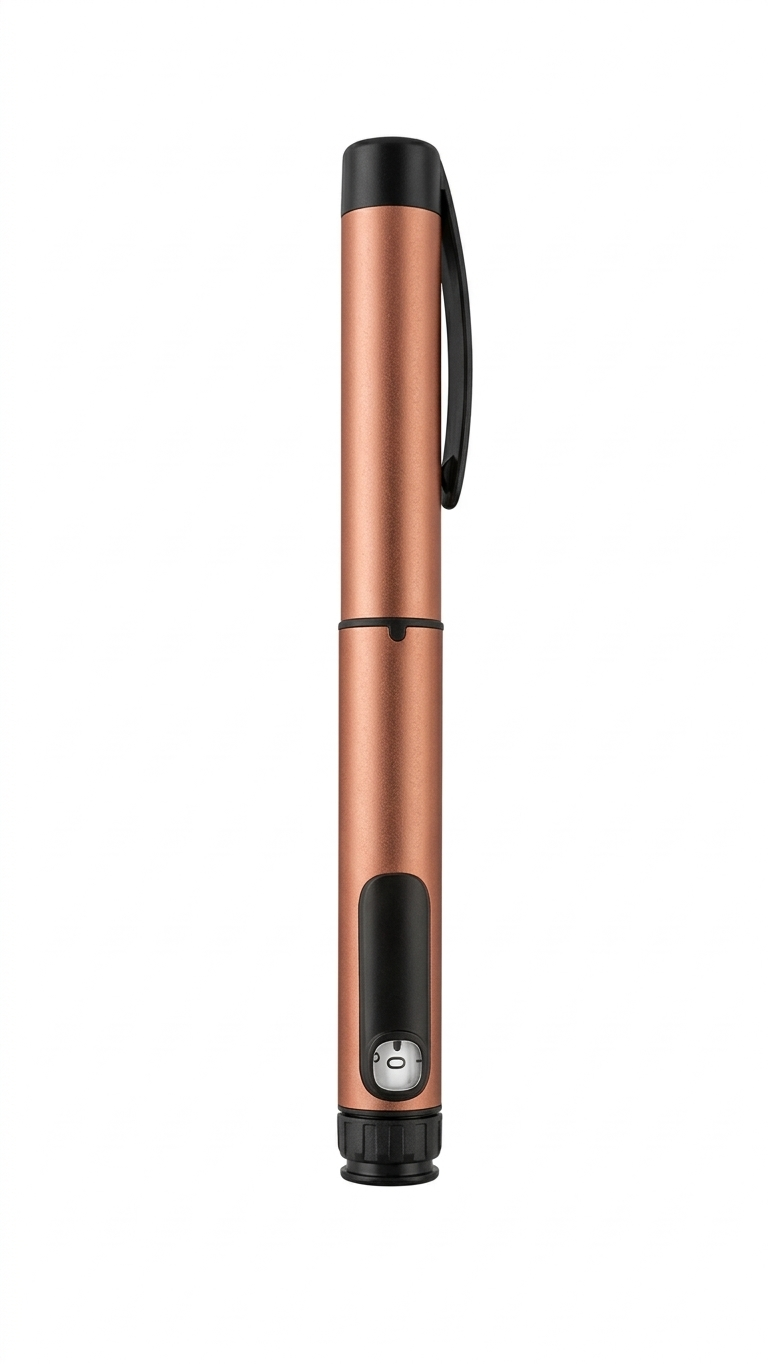
Use the Accessory Support Library to compare documentation before purchase. The Coral V1 reusable precision pen shown in this guide is an in-stock example, and the PeppiPens shop lists the current pens, cartridges, pen-needle accessories, and organizers. Always confirm the live product description and compatibility details before checkout.
Accessory-care boundary: PeppiPens products are non-medical research accessories. This guide does not provide drug-use, dosing, route, administration, treatment, efficacy, or compound-handling guidance.