
Key Takeaways
- The live PeppiPens listing confirms a sterile 3ml cartridge product sold as a 20-pack; it does not publish a sterilization method, individual-pouch count, universal shelf life, or storage temperature.
- Inspect the delivered outer packaging, any inner wrap or pouch, visible seals, cartridge glass, and stopper area before accepting the package condition.
- Record lot, batch, date, and storage details exactly when they are present. A traceability code is not proof of sterility by itself.
- Visual checks can reveal obvious package damage, but they cannot certify sterility or replace supplier documentation.
- Keep an unopened pack in its original packaging and follow the exact conditions printed on the package or supplied by the seller; do not invent a generic temperature or expiry period.
- This is non-medical accessory-support information. It does not provide compound preparation, dosing, route, administration, treatment, efficacy, or personal-use guidance.
Sterile peptide cartridge packaging should be evaluated as a chain of visible evidence, not as a single word on a product title. Check the outer package, any inner sterile-barrier presentation, each visible seal, the cartridge body, the stopper area, and any printed lot or date information. If the packaging is open, torn, punctured, wet, crushed, or undocumented, set it aside and ask the seller for written clarification.
The current PeppiPens product page confirms one narrow set of facts: the product is named Sterile 3ml Cartridges – 20 Pack, the listing is live, and it is currently in stock. The page does not document an individual pouch for every cartridge, a sterilization method, a lot-code format, an expiry period, or exact environmental limits. This guide deliberately separates those verified facts from general packaging-inspection principles.
What “Sterile Packaging” Means—and What It Does Not Prove
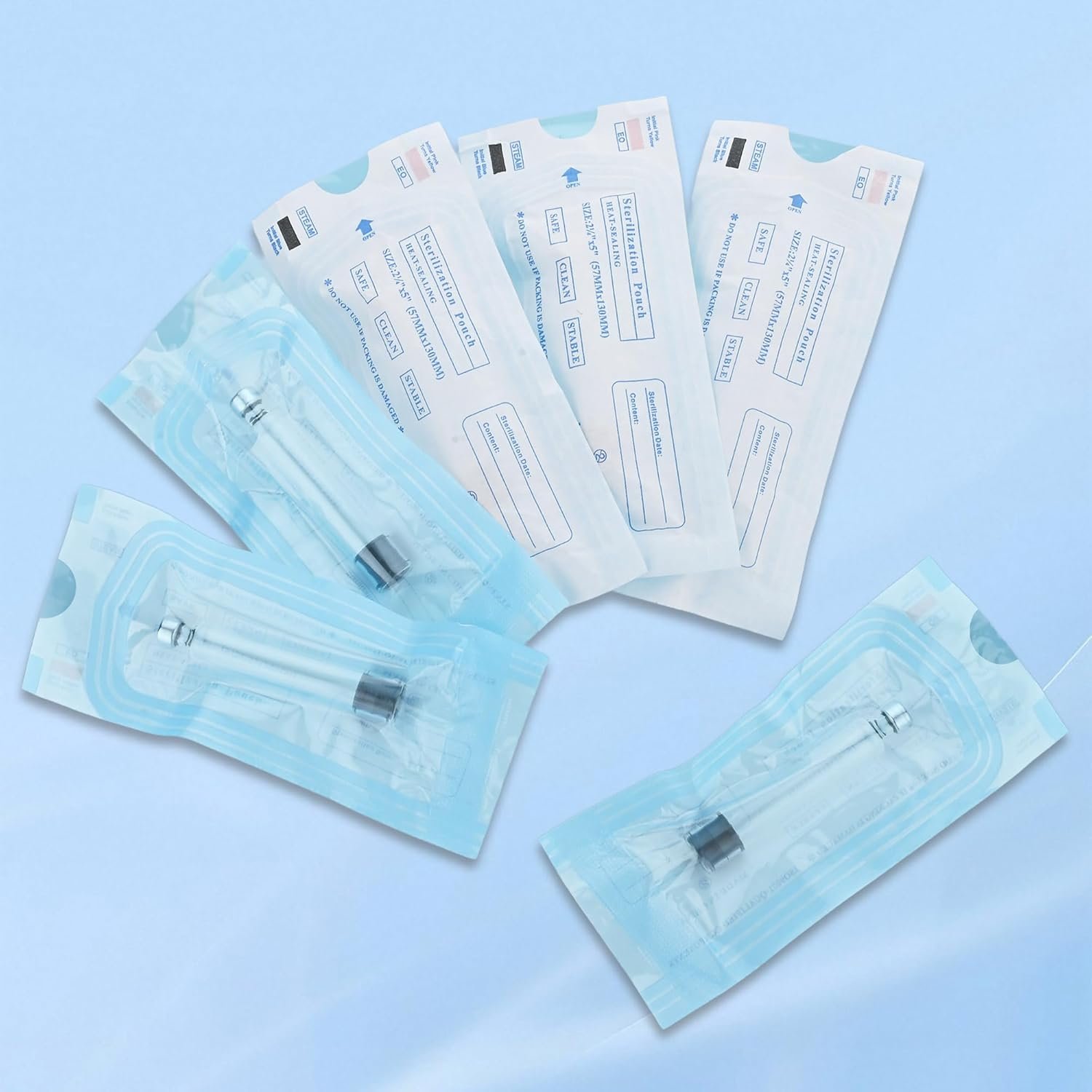
A sterile barrier system is packaging intended to maintain a sterile state until the barrier is opened or compromised. ISO 11607-1 describes requirements and test methods for sterile barrier and packaging systems in its regulated scope. That ISO 11607-1 overview is useful background for the concept, but it does not certify this PeppiPens product, classify the cartridge, or prove that a particular delivered pack conforms to the standard.
The practical distinction is simple: a product title is a seller claim, an intact package is a condition you can inspect, and validation records are evidence held by the supplier or manufacturer. None of those should be substituted for the others. A visual check can identify obvious damage; it cannot see microorganisms, validate a process, or establish an expiry date.
The sterile barrier versus protective packaging
The box or shipping carton may protect products during transport without being the sterile barrier itself. If the delivered item includes an inner pouch, wrap, or sealed tray, that inner component may be the claimed barrier. Do not assume which layer performs that job: inspect the delivered format and ask the seller when the product documentation does not say.
Why the visible seal matters
A seal joins package surfaces so the barrier remains closed. Good lighting and an unobstructed view make obvious openings, splits, punctures, and peeling easier to see, but visibility varies with the material and defect. Treat inspection as a limited first screen—not a sterility test or substitute for supplier validation records.
A Four-Point Cartridge Packaging Inspection
1. Outer package and order match
Confirm the product name and pack quantity against the order record before separating components. Look for crushed corners, water exposure, opened closures, unexpected relabeling, or a mismatch between the delivered item and the listing. Photograph the package before opening if anything appears unusual.
2. Inner barrier or pouch, if present
If an individual or grouped inner barrier is present, examine its full perimeter under good light. Look for an open edge, channel, wrinkle crossing the sealed area, puncture, split, peeling layer, contamination, or moisture. Do not press hard, flex aggressively, or perform an improvised leak test; those actions can create new damage and are not validated inspection methods.
3. Cartridge glass and visible components
Without turning the check into a filling or use procedure, inspect the empty accessory for obvious condition problems. Set aside a cartridge with cracked or chipped glass, a displaced visible component, debris, staining, or an unexplained difference from the rest of the pack. Compare like items side by side and contact PeppiPens with clear photos.
4. Printed identifiers and dates
Record any lot or batch identifier, date, storage statement, and supplier contact information exactly as printed. If no identifier is visible, do not create one from an order number or barcode. Ask which supplier record applies to the delivered pack and keep the answer with the order record.
Lot Codes, Dates, and Traceability
A lot number or batch code is a traceability identifier assigned within a supplier or manufacturer system. Its useful job is to connect a package with the records for that production group. It does not independently prove sterility, packaging validation, material composition, or remaining shelf life.
Date labels also need exact reading. A manufacture date, packaging date, retest date, and expiry date do not mean the same thing. Record the printed label rather than translating it into a different date type. The current PeppiPens listing does not publish a date convention, so a buyer should request clarification if the delivered notation is ambiguous.
| Printed detail | What it may support | What it does not prove alone |
|---|---|---|
| Lot or batch code | Traceability to supplier records | Sterility, expiry, or package integrity |
| Manufacture or packaging date | When a recorded process occurred | A usable-until date |
| Expiry date | A supplier claim under defined conditions | That a visibly damaged barrier remains acceptable |
| Storage statement | Conditions the supplier specifies | Permission to replace those conditions with a generic rule |
How to Store an Unopened 20-Pack
Keep the pack in its original packaging so its identifiers, instructions, and protective layers stay together. Follow the exact labeled or written conditions from the seller. Avoid creating your own temperature range, humidity limit, refrigeration rule, or shelf life when none is published for the exact product.
Store it where the packaging will not be crushed, punctured, soaked, or repeatedly handled. Separate it from loose tools and heavy items, and keep the label visible. The PeppiPens accessory-storage answer provides broader organization guidance; the product-specific label remains controlling when it gives more precise conditions.
Why “away from extremes” is not a specification
That phrase is only a conservative reminder, not a validated range. The FDA’s container-closure guidance illustrates why packaging-material and protection claims require product-specific documentation in its own regulated scope. That guidance does not classify or certify the PeppiPens cartridge. The correct product-specific storage limit must come from the product documentation.
Simple stock rotation without invented expiry claims
If more than one unopened pack is on hand, keep order dates and printed lot/date details visible. Use the seller’s documented date information to organize packs. Do not assign an expiry date based only on when you purchased the item.
Sealed, Opened, or Compromised: A Practical Comparison
| Observed state | What you can conclude | Appropriate next step |
|---|---|---|
| Closed packaging with no visible damage | No obvious breach was found during a limited visual check | Keep records and follow the printed storage instructions |
| Packaging intentionally opened | The original closed-barrier state no longer exists | Follow exact written product documentation; do not infer reuse or storage rules |
| Torn, punctured, wet, split, peeling, or partly open | Visible package condition is compromised or uncertain | Set aside, photograph, and contact the seller |
| Intact-looking but identifiers are missing or unclear | Traceability cannot be confirmed from visible information | Request written clarification before relying on assumptions |
Packaging Inspection Is Different From Compatibility and Maintenance
Packaging condition answers whether the item arrived visibly protected and traceable. Compatibility asks whether a cartridge matches a particular pen model. Maintenance concerns the reusable pen body and its documented care. These are separate questions.
For size and fit terminology, use the 3ml Cartridges Guide, What Are 3ml Peptide Cartridges?, and Compatible Cartridges Guide. For pen-body care, use the reusable pen cleaning and maintenance guide. The research compound label guide explains why compound documentation should remain separate from accessory specifications.
A Documentation-First Receiving Checklist
- Match the delivered product name and stated pack quantity to the order.
- Photograph shipping or outer-package damage before opening.
- Inspect any inner barrier or pouch under good lighting without stressing the seal.
- Compare visible cartridge bodies and components for cracks, chips, displacement, debris, or unexplained variation.
- Record printed lot, batch, date, and storage details exactly when present.
- Keep original packaging and the order record together.
- Set aside anything damaged, open, wet, or unclear and ask PeppiPens for written clarification.
The PeppiPens Accessory Support Library keeps cartridge, storage, compatibility, and care resources in one place. It is the best starting point when your question is about the accessory rather than a compound.
Frequently Asked Questions About Sterile 3ml Cartridge Packaging
Are PeppiPens 3ml cartridges sold as a 20-pack?
Yes. The live product listing identifies the item as Sterile 3ml Cartridges – 20 Pack. Check the current listing before ordering because inventory and presentation can change.
Does the product page document an individual sterile pouch for every cartridge?
No. The current listing confirms the sterile product name and 20-pack quantity, but it does not publish an individual-pouch count or sterilization method. Inspect the delivered packaging and request written clarification when a detail is not documented.
How do I inspect a flexible package seal?
Under good light, look for an open edge, split, puncture, peeling area, moisture, or other visible disruption. A visual check can identify obvious damage, but it cannot certify sterility or replace supplier validation records.
What should I do if the package is torn or open?
Set the item aside and contact the seller with the order details and clear photos. Do not treat an opened, torn, wet, or punctured package as equivalent to intact packaging.
What is a lot code?
A lot or batch code is a supplier or manufacturer traceability identifier. Record it exactly if one appears, but do not invent or infer a code when the product or package does not display one.
Does a lot code prove sterility?
No. A lot code supports traceability; it is not, by itself, a sterility result, expiry date, or certificate. Ask the seller which records correspond to that exact code.
How should I store an unopened cartridge 20-pack?
Keep it in its original packaging and follow the exact conditions printed on the package or supplied in writing. The current PeppiPens listing does not publish a universal temperature, humidity, or shelf-life specification, so this guide does not invent one.
Can I use a cartridge if the glass is cracked or chipped?
No. Set a visibly cracked, chipped, or otherwise damaged cartridge aside and contact the seller. This is a package-condition decision, not a compound-use instruction.
Are these cartridges reusable?
Treat the listing as a cartridge-accessory purchase, not as permission to clean, refill, or reuse a cartridge. Follow the exact written product documentation; if reuse status is not documented, ask before making assumptions.
Where can I find more PeppiPens cartridge support?
Use the Accessory Support Library, 3ml Cartridges Guide, Compatible Cartridges Guide, and live Cartridges category. Those pages cover accessory terminology and compatibility without providing compound-use instructions.
Review the Live 20-Pack Listing
Ready to compare the current product details? View the Sterile 3ml Cartridges – 20 Pack, then browse the Cartridges category for the current accessory selection. The live listing—not a general article—should remain the source for price, availability, images, and seller-published specifications.
Accessory-support boundary: PeppiPens products are non-medical research accessories. This article covers packaging condition, traceability, storage-documentation, and accessory-support questions only. It does not provide drug-use, injection, dosing, route, administration, treatment, efficacy, reconstitution, filling, or personal-use guidance.